Hard Jigsaw Puzzles
Play free hard jigsaw puzzles online! 80 to 400-piece puzzles for experienced puzzlers. Choose from 108 beautiful images. No downloads required.
Piece Counts
Hard & Expert Jigsaw Puzzles Online
Hard jigsaw puzzles are for players who want a genuine challenge. Starting at 81 pieces and scaling all the way to 400, these puzzles demand disciplined sorting, strategic section work, and real patience. Solve times range from 12 minutes to over 2 hours — these are puzzles you commit to.
What Makes Hard Puzzles Different?
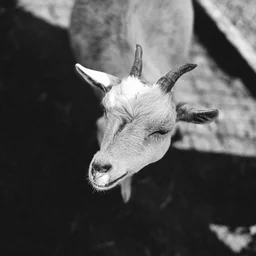
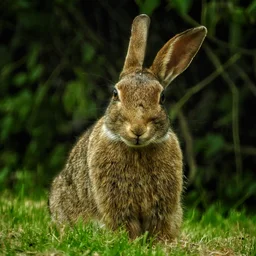
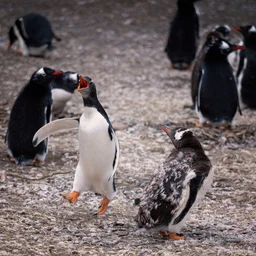
At 81 pieces and above, undirected searching — scanning all remaining pieces for the one you need — becomes impractical. You need a system: organized workspace regions, tight color groups, and shape-first strategies for uniform sections. The image you choose also matters enormously — a vibrant animal close-up is more approachable than an abstract pattern at the same piece count.
Available Piece Counts
- 81 pieces — 12 to 20 minutes. The entry point to hard puzzles.
- 100 pieces — 15 to 30 minutes. The most popular size on the site.
- 144 pieces — 25 to 45 minutes. Expert territory begins.
- 196 pieces — 35 to 60 minutes. Workspace organization becomes a skill.
- 289 pieces — 45 to 90 minutes. Multi-island solving strategy required.
- 400 pieces — 1 to 2 hours. The ultimate online jigsaw challenge.
New to Hard Puzzles?
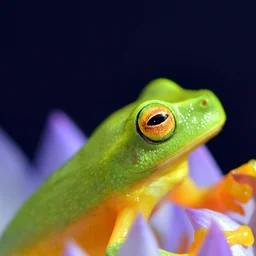
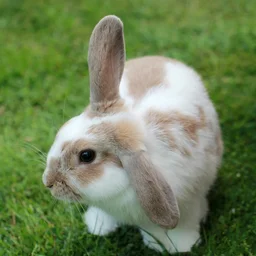
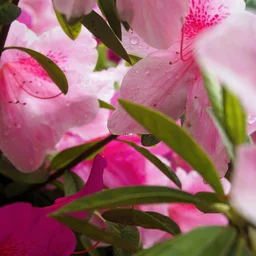
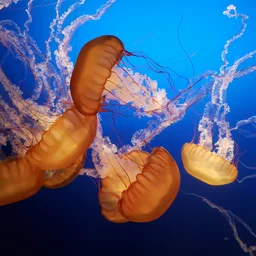
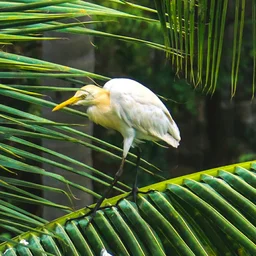
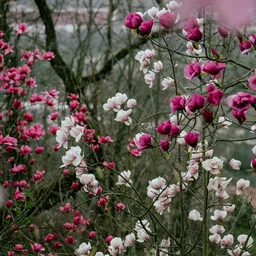
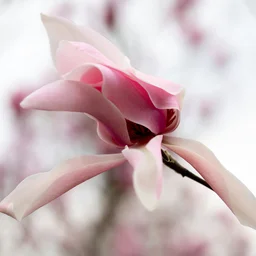
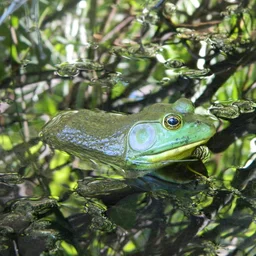
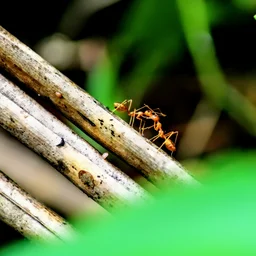
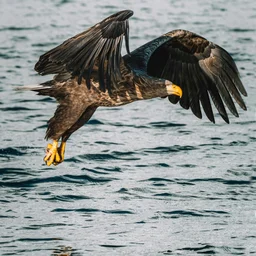
If you are stepping up from the easy tier, start at 81 pieces with a colorful, high-contrast image. The flowers and animals categories are the most approachable at higher counts. Save abstract and nature landscapes for when you have built your sorting discipline.
Sorting Strategy for Hard Puzzles
At 81 pieces and above, the quality of your initial sort determines the rest of the solve. A disciplined sort at the start saves multiples of that time during placement. The sequence that works at every hard count:
First, separate all edge pieces and build the border. This establishes your frame and removes the edges from your working pile — a meaningful reduction. Second, divide the remaining pieces into 5 to 7 color groups based on the dominant colors in the image. Keep the groups loose at this stage; perfect sorting is slower than useful sorting. Third, identify 3 to 5 anchor pieces — pieces with a highly distinctive pattern, a face, a bright isolated color — and set them aside. These are your starting points for each interior section.
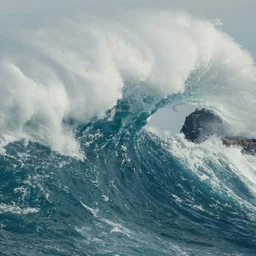
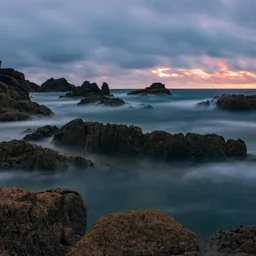
For uniform areas like sky, water, or a plain background, abandon color sorting entirely. At that point all the pieces look the same. Instead, sort by shape profile: count the tabs and blanks on each piece, and group by configuration. A piece with two tabs and two blanks cannot connect to a piece with three tabs and one blank. Shape-first strategy turns a frustrating uniform section into a systematic one. The full strategy guide covers advanced shape-reading techniques in detail.
Multi-Session Solving
Hard puzzles are not designed to be finished in one sitting — and they do not need to be. Progress saves automatically every time you make a placement, so you can close the browser mid-solve and pick up exactly where you left off on any device.
Most experienced players approach larger counts in structured sessions rather than marathon solves. A common pattern: complete the border and one major section in the first session. Return to tackle two or three interior sections in the next. Leave the most uniform areas for the final session when context from surrounding completed sections narrows down each placement.
The 400-piece version regularly spans multiple days for experienced puzzlers — that is normal, not a sign of struggling. Breaking a large solve into sessions also gives you time to let the image absorb, which often makes the next session feel easier than the previous one. There is no timer and no penalty for pausing.
The Most Challenging Combinations
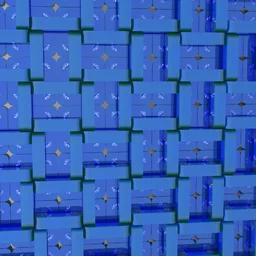
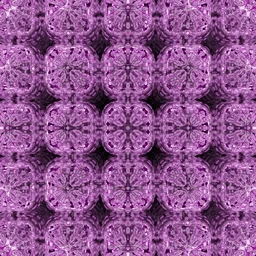
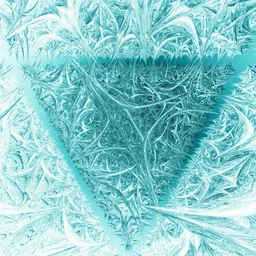
Abstract images at 289 or 400 pieces are the hardest puzzles on the site. There are no recognizable subjects, color transitions are often gradual rather than sharp, and shape-matching is the primary skill from start to finish. These puzzles are genuinely difficult even for experienced players — expect them to take significantly longer than a similarly sized representational image.
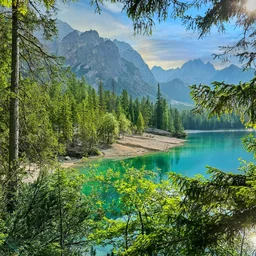
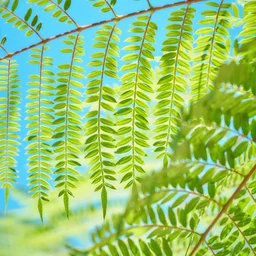
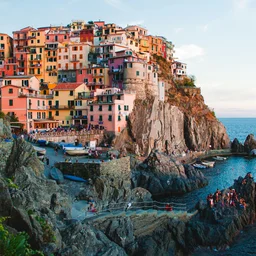
Nature landscapes with large uniform sky areas are the next hardest category. The foreground is usually manageable — distinct colors and textures — but large sky sections require extended shape-based sorting and test patience.
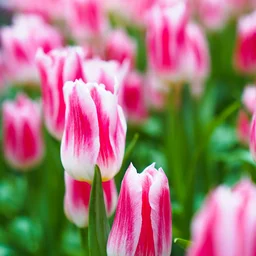
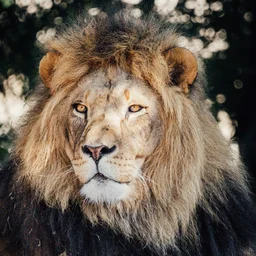
If you want to push your limits without committing to the hardest possible combination, the most rewarding challenge is a 196 or 289-piece animals or flowers puzzle. High contrast and clear subjects give you enough visual anchors to stay in flow, while the piece count provides genuine difficulty. This combination is where most serious puzzlers spend the most time.