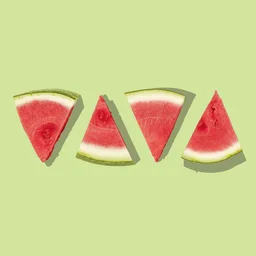
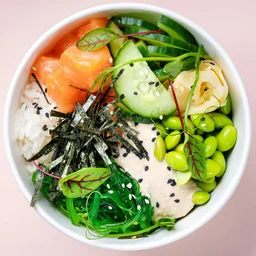
Beginner Jigsaw Puzzles
Play free beginner jigsaw puzzles online! Choose 10, 20 or 24 pieces, perfect for a quick solve or warming up. 204 beautiful images, no downloads required.
Piece Counts
Beginner Jigsaw Puzzles Online
Beginner jigsaw puzzles are the perfect place to start if you are new to online puzzles — or if you just want a quick, satisfying solve. These puzzles use 9, 16, and 25 pieces, keeping every solve short while still exercising the core skills of border building, color sorting, and shape matching.
Who Are Beginner Puzzles For?
Beginner puzzles are ideal for first-time online puzzlers learning the interface, experienced players warming up before a harder session, a quick mental break during a busy day, or younger players developing spatial reasoning. Because each solve is short, you can play several puzzles in a single sitting — and that repetition is a good way to build the habits that carry forward to harder counts.
Available Piece Counts
- 9 pieces — The quickest solve. Learning the controls, an absolute first puzzle.
- 16 pieces — First real puzzle feel with basic sorting.
- 25 pieces — The sweet spot for building beginner habits.
Ready for More?
Once 25-piece puzzles feel automatic — you build the border without thinking, sort by color instinctively, and reach for the right piece on the first try — you are ready for the easy puzzles tier. The jump to 36 pieces is manageable and rewarding.
How to Solve Your First Jigsaw Puzzle
Every successful solve follows the same sequence. Start by pulling out the edge pieces — the ones with at least one flat side. The game's Show Edges button hides the interior pieces so the edges are easy to find. Assemble the border first. A complete frame gives you a bounded workspace and establishes the overall dimensions of the image before you place a single interior piece.
Next, sort the remaining pieces into rough color groups. Even at 25 pieces, sorting by color before placing anything makes each piece quicker to find. Once sorted, work the most visually distinctive section first — a subject with strong contrast against the background. Fill uniform areas last, when the surrounding context narrows down where each piece belongs.
This sequence — border, then distinctive sections, then uniform fill — is the same strategy used at every piece count. Learn it at 25 pieces and it scales all the way to 400. The full strategy guide covers advanced techniques when you are ready to go deeper.
Best Images for Beginners
Image choice matters more than you might expect. At low piece counts, you want high contrast between the main subject and the background, and strong color variation across the image so your sorted groups stay visually distinct.
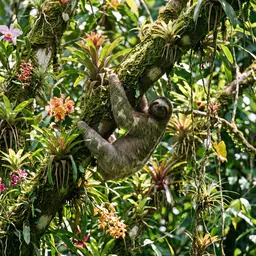
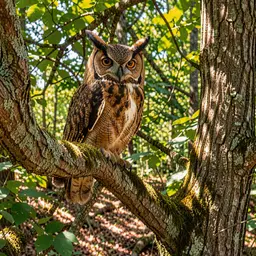
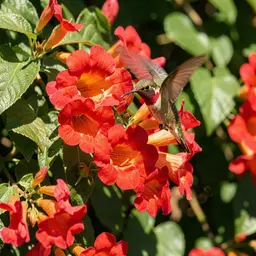
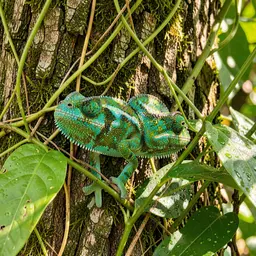
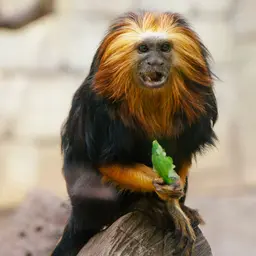
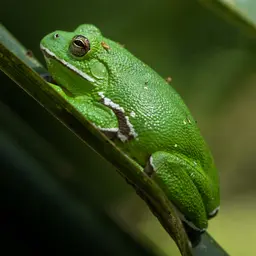
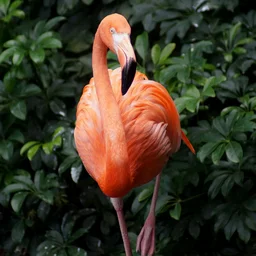
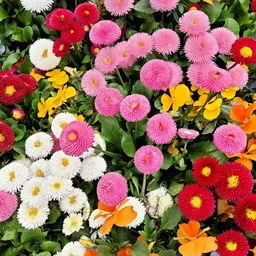
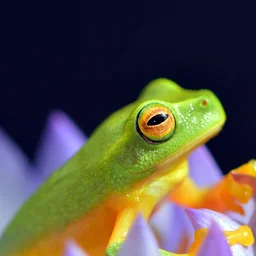
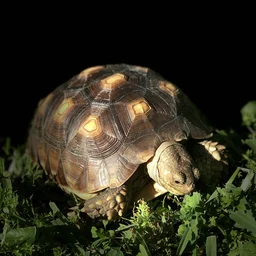
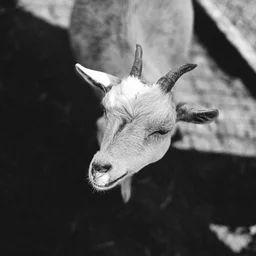
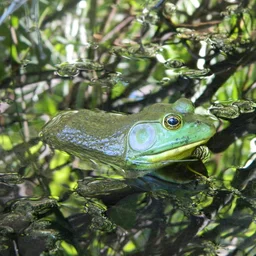
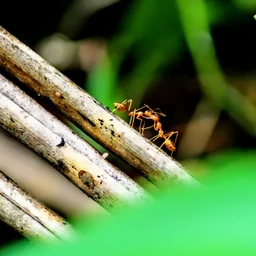
Animal puzzles are a friendly place to start. A single animal subject often fills most of the frame, colors shift clearly from fur to eye to background, and piece placements feel decisive. Flower puzzles work well too — vibrant petal colors, rich greens in the stems, and high saturation throughout make sorting straightforward.
Avoid abstract images at beginner level. Abstract puzzles rely on shape-matching and spatial reasoning rather than color recognition, which is a harder skill to develop first. Start with subjects you can name, and save abstract images for when you have built your foundational habits.
Building a Daily Puzzle Habit
A 25-piece puzzle is a short solve from start to finish. That makes it an easy habit to keep — short enough to slot into a morning routine, a lunch break, or a few spare moments before bed. The effort required is low, and it makes a pleasant break.
The daily puzzle refreshes every day with a new image at your chosen piece count. Playing the daily puzzle is the simplest way to build consistency: same time, same routine, one puzzle. The site's XP and progression system tracks every completed puzzle, so each solve contributes to your overall progress. Small daily sessions add up: a puzzle a day keeps the habits fresh in a way that one long session every few months does not.