Abstract Jigsaw Puzzles
Play 21 free abstract jigsaw puzzles online. Choose your piece count and start solving — no downloads required.
21 Abstract Jigsaw Puzzles




Why Abstract Jigsaw Puzzles?
Abstract puzzles are a pure test of visual problem-solving. Without recognizable objects to guide you, every placement is earned through careful observation of color relationships, edge shapes, and tonal gradients. They train your eye in a way that puzzles of recognizable scenes do not. If abstract feels daunting, our solving guide covers strategies specifically for non-representational images.
Our abstract collection ranges from bold geometric compositions to fluid organic forms with fine detail. The best of them balance color zones distinct enough to solve with enough complexity to challenge you — which is what makes finishing one feel like a genuine accomplishment. Begin with easier pieces to learn the image, then push yourself with a harder piece count for a real spatial reasoning workout.
What's in the collection
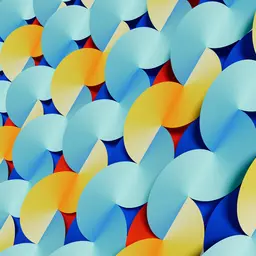
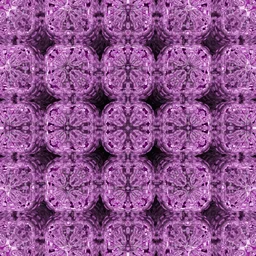
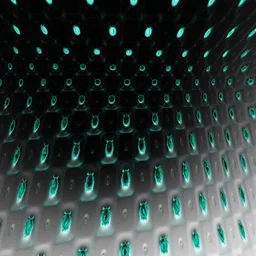
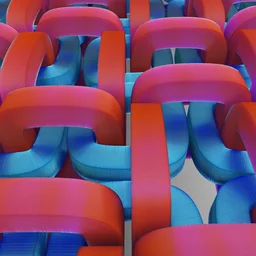
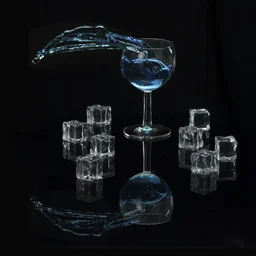
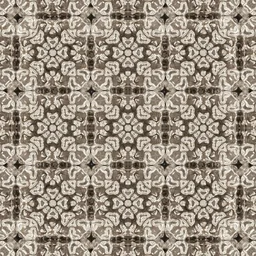
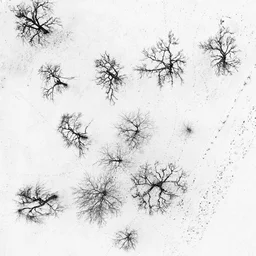
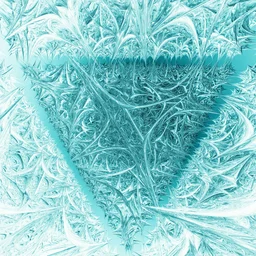
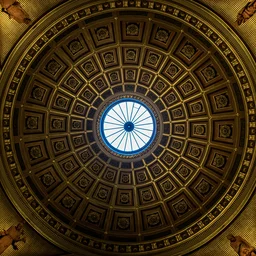
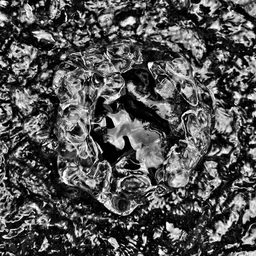
Some are pure pattern: overlapping circles in bold primary colors, interlocking 3D rings, a glowing teal grid, a pink crystalline mandala, an ornate kaleidoscope. Others are real things seen so close that they turn abstract: a frost crystal, a glass of water splashing over ice cubes, swirling black-and-white water, a dome ceiling with a skylight, and bare winter trees seen from above in the snow.
How to solve them
Start with the bold-shape puzzles: large blocks of flat color make them the gentlest abstracts in the collection. Symmetric designs like the mandala and the kaleidoscope are the hardest, because every quarter of the picture looks the same. There, piece shape and the small breaks in the symmetry matter more than color. Build the outer ring first, then work in toward the center.